
By James Burke, Intern at UH Special Collections and PhD student majoring in US History and minoring in Public History. His work involves museum archives, artifact cataloging, and exhibit curation.
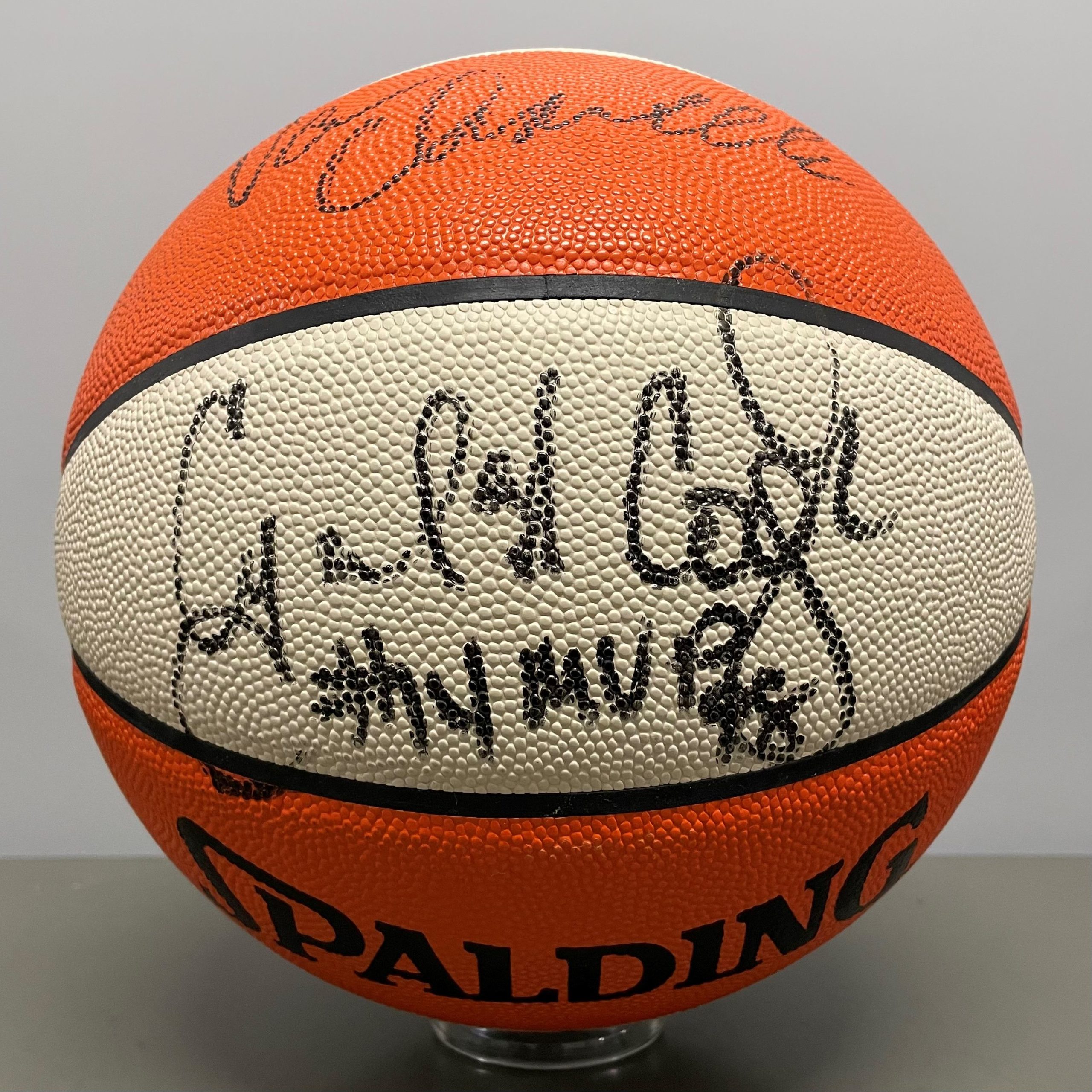
Game ball signed by Head Coach Van Chancellor (top) and Cynthia Cooper #14 MVP (center)
The Houston Comets were among the first eight teams of the Women’s National Basketball Association (WNBA) in 1997. In their first season the Comets saw unprecedented success, playing against and beating the New York Liberty in the Championship. The Houston Comets went on to win the 1998 WNBA Championship against the Phoenix Mercury, again in 1999 against the New York Liberty, and in 2000 against the same. Throughout each of the first four seasons, the Houston Comets dominated the court. The “Big Three” Cynthia Cooper, Sheryl Swoopes, and Tina Thompson topped all statistical charts for the WNBA and were instrumental in leading the Comets to four consecutive WNBA Championship wins. While the Houston Comets were a breakout dynasty in the WNBA, after the 2008 season the team was disbanded due to ownership issues.
For the creation of this exhibit, I have had to make up for my own shortcomings in knowledge on the Houston Comets. Prior to beginning the Houston Comets exhibit, Vince Lee, Archivist for the Carey Shuart Women’s Research Collection, and I planned on working on a separate exhibit from Special Collections. However, upon getting the commission for the Comets exhibit, the two of us began working on the task immediately. While I knew people who were fans of the Houston Comets when they were active, I was ignorant to their history at the onset of the project. Working with Vince and by his advice, the first two weeks were largely spent on researching the story of the team. Furthermore, he suggested I familiarize myself with the Houston Comets Memorabilia Collection. While I have experience doing curatorial work, never had it been on something I had minimal working knowledge on, but it was, and remains, an exciting opportunity to learn.
I chose the items for the Houston Comets exhibit largely centered on the first four seasons of the team, in addition to the “Big Three”. I wanted the exhibit cases to demonstrate the history of the team and their success, but also the fans and their dedication. Across the exhibit I selected five items signed by members of the Houston Comets. In addition to signed memorabilia, I wanted to feature several Houston Comets publications throughout the exhibit, both to show the teams history as told by the WNBA, and by journalists from the Houston Chronicle. The Comets dominated the first four seasons of the WNBA, and written material reflects that. Beyond such items, I wanted to include various merchandise to show that fans of the Houston Comets remained so outside the arena.
Despite the Houston Comets only lasting for twelve seasons from 1997 to 2008, the team established a dynasty in the WNBA and made a lasting impact on both Houston and the league at-large. Fans of the Comets remained loyal during and after their time on the court, and the collection of memorabilia establishes that. While the team is no longer active, their legacy continues to permeate the WNBA and their fans to this day.
________
Explore history at UH Special Collections! We are located in M.D. Anderson Library, 2nd Floor, at the top of the stairs next to the elevators. Our reading room is open Monday-Friday, 10:00 AM-4:00 PM, excluding holidays. Appointments are strongly recommended so that requested materials can be ready for you upon your arrival. Drop-in visits are welcomed if there is available space in the reading room.
Season’s greetings! I just thought I’d share with you all some of the engagement around the LGBTQ+ History Research Collection in support of research, learning, outreach, and community-building in 2023. Here are just some of the highlights….
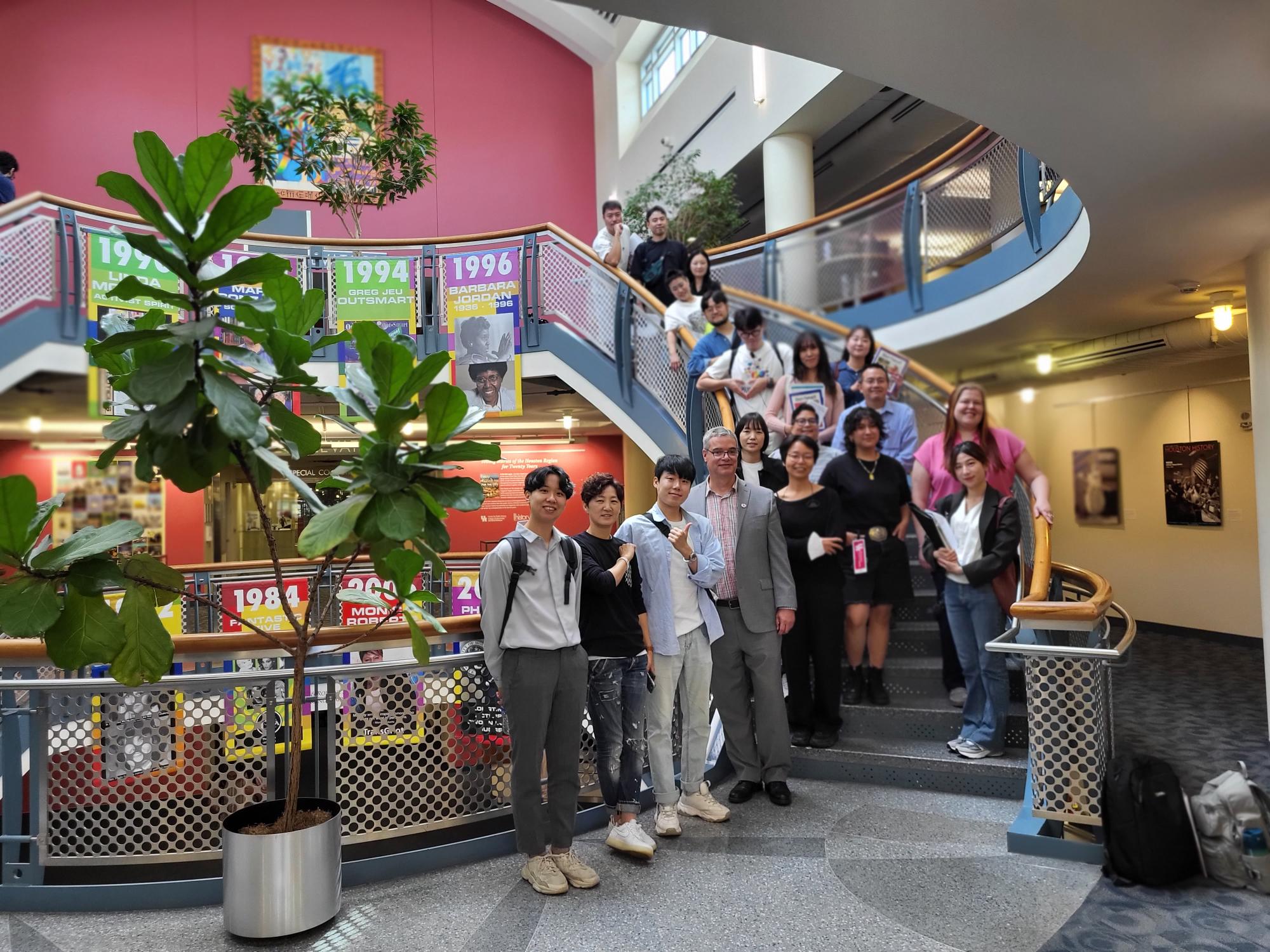
October 24, 2023. Members of the U.S. Department of State’s International Visitors Leadership Program visited UH Special Collections as part of their study tour to learn the history and advocacy of local and regional LGBTQ+ communities.
We have been building and processing the collection. We accepted several new collections or accruals from the community, including materials from the Arden Eversmeyer estate, JD Doyle, Patrick McIlvain, an anonymous donor who donated issues of This Week in Texas (TWT), and others. A couple of other important donations are about to have a new home here in Special Collections and we can’t wait!
Additionally, Project Archivist Katy Allred processed the Log Cabin Republicans of Houston Records, PFLAG Houston Records, and more materials from Town Meeting 1. Currently, Katy is processing the Houston GLBT Community Center Records. There are so many interesting and sometimes surprising things to learn in these collections! Come visit UH Special Collections to check them out in our reading room. Building and processing the collection continues!
We have an ongoing project with UH professor Dr. Guillermo De Los Reyes called the Cougar Rainbow Histories project, which is about preserving the history that led to the creation of the UH LGBT Studies Minor and the UH LGBTQ Resource Center (disbanded as of Sept 1, 2023). Special Collections’ role for the project is to conduct oral history interviews with the people who were involved in planning and bringing the Minor and Center to fruition. So far, we have recorded five oral history interviews, which will soon be available for research.
Five undergraduate students interned with us in 2023 to preserve LGBTQ+ history—three students worked with materials in the collection while two students conducted oral history interviews for the Cougar Rainbow Histories project. So far, we have not had to recruit interns because students are so enthusiastic about preserving and interacting with materials that document LGBTQ+ history that they proactively contact us. The new capstone intern who is lined up for Spring 2024 contacted me back in September! It’s heartwarming to work with such enthusiastic, bright, and creative students.
We created the Hollyfield Foundation Pride exhibit, which was located in front of UH Special Collections. The theme for the exhibit was FAMILIES and we, along with intern Dafne Meza Flores, selected materials from the collection to provide a space for visitors to consider the impact of families, broadly defined, on the lives of LGBTQI+ people in historical and contemporary contexts.
We participated in the 2nd annual Families with Pride event, which was hosted by Houston Council Member Abbie Kamin on June 24th at Levy Park. It was certainly hot, but luckily, our history tent had a huge fan and was located in the shade amongst the loveliest of trees. Not only did we exhibit materials from the collection, but we also created an activity for attendees of all ages, which was to write a message or draw a picture (or both!) for people in LGBTQ+ communities to encounter in the future. Complete with a puppy parade, the Families with Pride event was an absolute success! LOVE was the key word of the day. The messages and drawings are being preserved in UH Special Collections, but we plan to collect more at other future events. Come check out this one-of-a-kind living collection!
In October, we celebrated LGBTQ+ History Month. Banners from The Banner Project were draped in the library atrium, staircase, and walls on the 2nd and 3rd floors, and on October 11th, we once again featured a pop-up exhibit of collection materials in the atrium in honor of National Coming Out Day.
On October 23rd, we hosted an event titled Readings from the Road, which featured a panel of speakers who read or reflected on their research and/or experiences traveling and/or navigating spaces and places as members of the LGBTQ+ community. I had the privilege of facilitating the event and kicked off the panel by reading an introductory excerpt from my own essay based on research in Texas archives, “(En)countering the Archival Sidekick,” which was published in the anthology, Q&A: Voices from Queer Asian North America. The engaging speakers were Dr. Guillermo De Los Reyes, local LGBTQ+ historian, author, and one of our collection donors JD Doyle, UH librarian Imani Spence, and UH GLOBAL president Kaitie Tolman. Light refreshments were served, including crowd-pleasing conchas.
The following morning on October 24th, we welcomed a delegation of 14 researchers, journalists, activists, lawyers, artists, and NGO leaders in the Korean LGBTQI+ community who were part of a study tour to learn about LGBTQI+ advocacy in the U.S. through the Department of State’s International Visitor Leadership Program. The group visited only three U.S. cities and Houston was one of them! Aaaaand UH Special Collections and the LGBTQ+ History Research Collection was their first stop in Houston. What an incredible honor! It was SO memorable to meet and talk with these leaders and also to use some of the banners from The Banner Project as tools to discuss Houston’s vibrant LGBTQ+ history and advocacy. Mission accomplished.
Throughout the year, we also worked with UH faculty and beyond to connect the LGBTQ+ History Research Collection with their lesson plans and led tours for UH faculty and students, potential donors, and community organizations. We’re here to support research and learning, events, community-centered projects, and other goals and interests relevant to the collection. Contact us!
As you can guess, there’s much more that goes into preserving local and regional LGBTQ+ history, including building meaningful relationships with people across campus and many communities. This is essential to our work, and it is certainly rewarding.
Well, that’s all for now. But be in the lookout for more in Spring 2024!
Happy holidays!
Joyce Gabiola, MSLIS | UH alum
Archivist for the LGBTQ+ History Research Collection
University of Houston Libraries – Special Collections
Explore history at UH Special Collections! Our reading room is open Monday-Friday, 10:00 AM-4:00 PM. Appointments are strongly recommended so that requested materials can be ready for you upon your arrival. Drop-in visits are welcomed if there is available space in the reading room.
Jenna Guinn, practicum student from the University of North Texas, shares research and resources related to her work with the Mydolls Records at the University of Houston Special Collections.
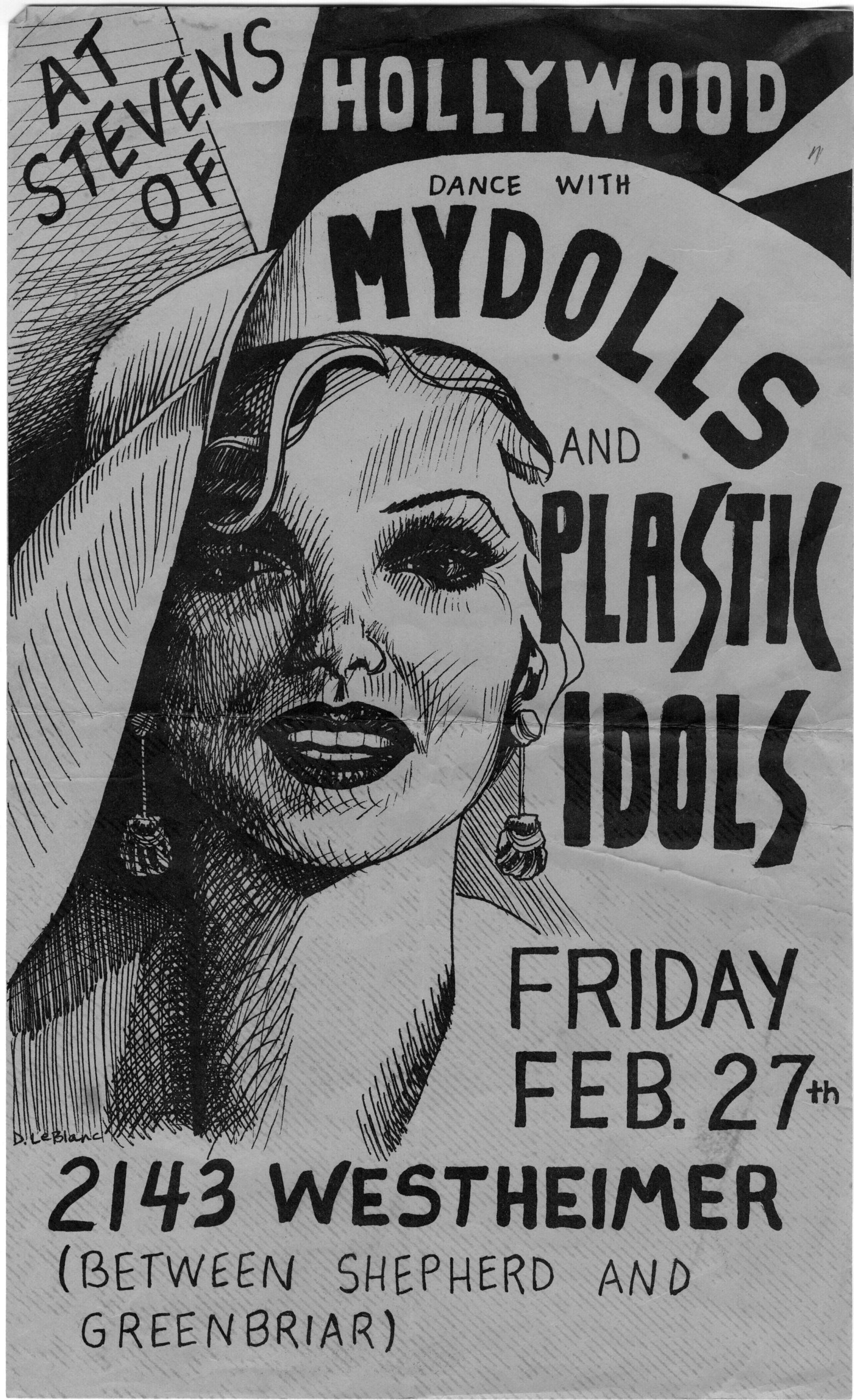
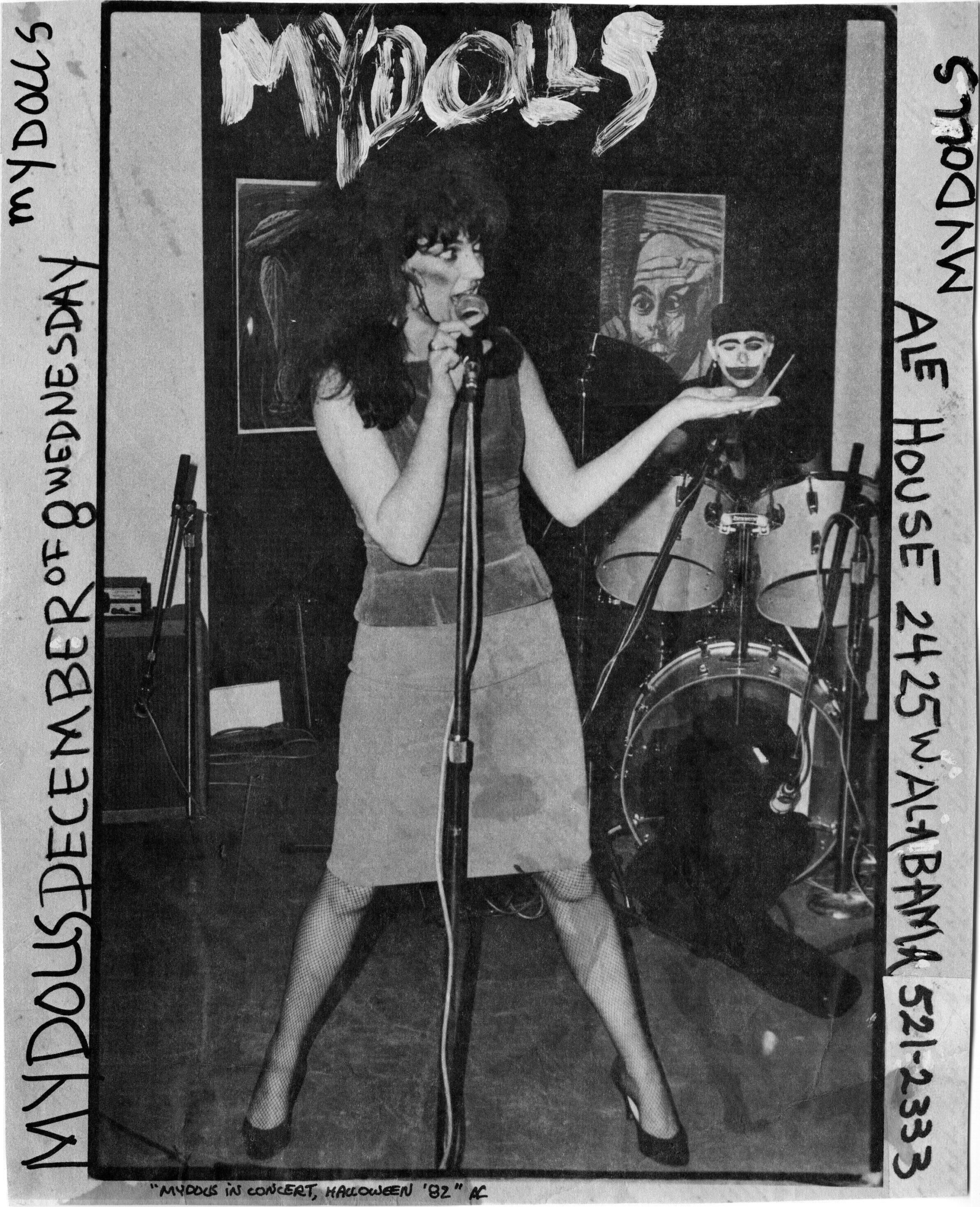
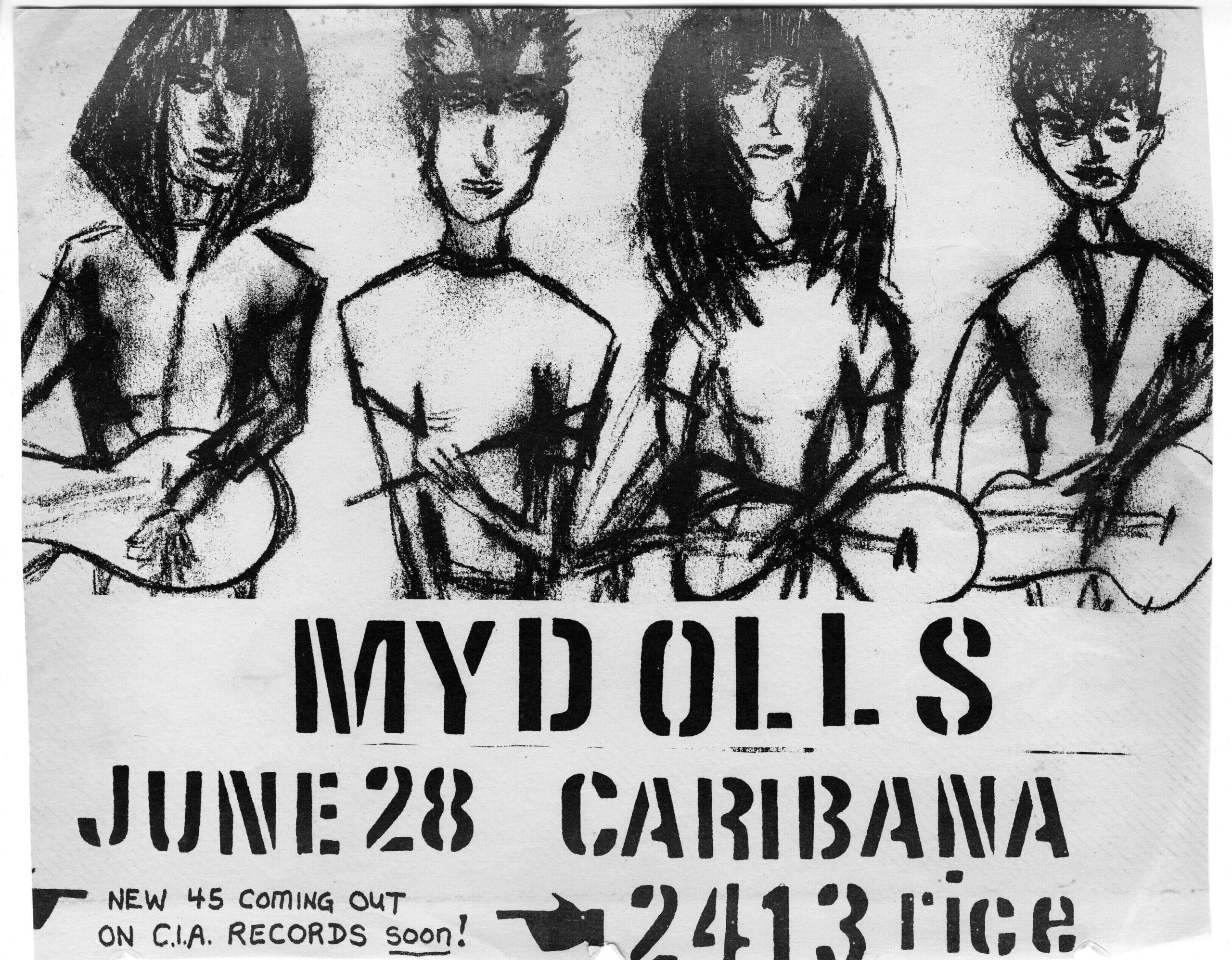
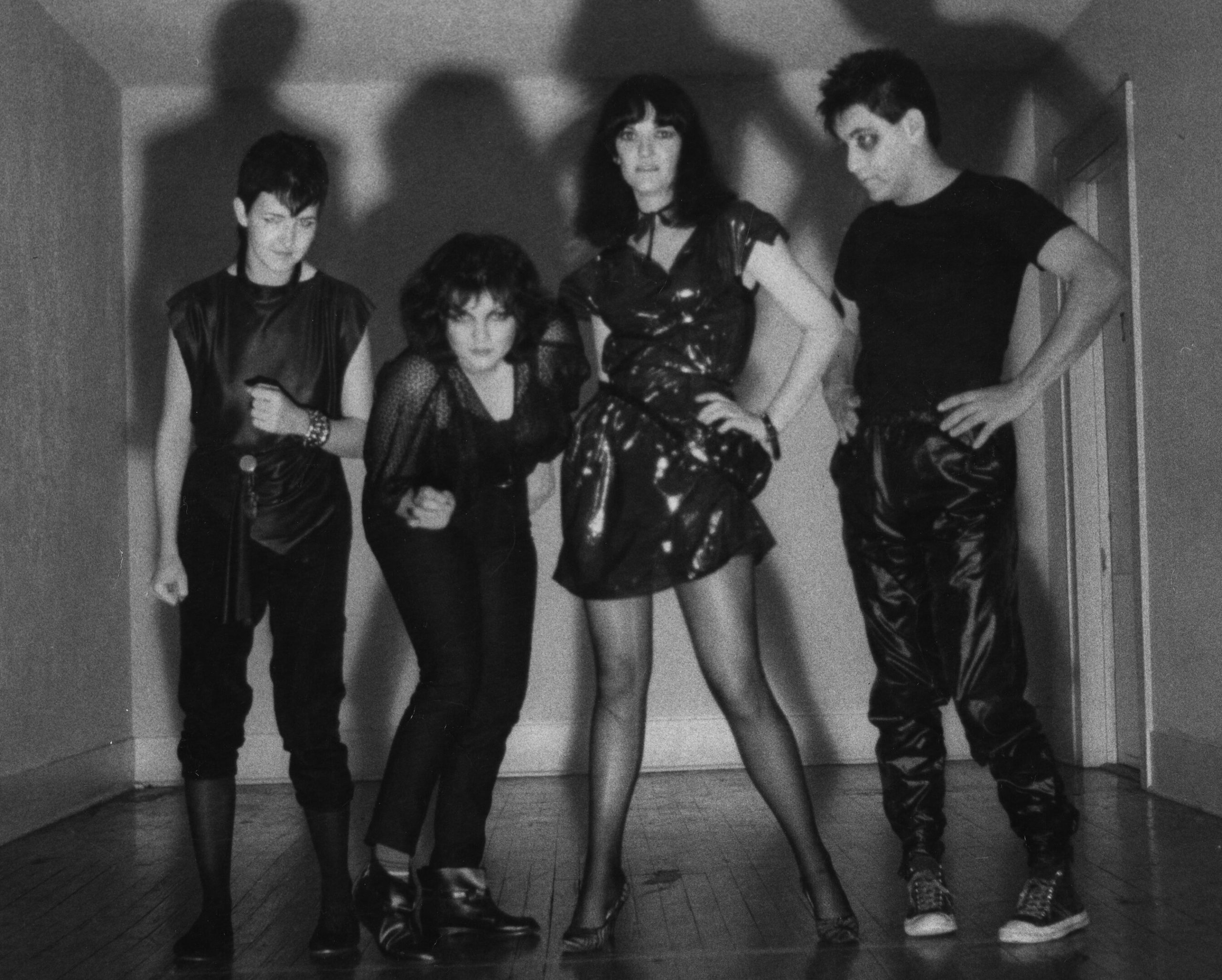
Mydolls exploded onto the Houston punk scene in the late 1970s and have been influencing pop rock ever since. Known for their mainly self taught, eclectic style, they used their influence to help pave the way for other women and minorities to break into the genre. Not known for being quiet, their lyrics often commented on the systematic problems prevalent at the time. Formed in 1978, the group consisted of Linda Younger on guitar and vocals, Dianna Ray on bass and vocals, Trish Herrera on guitar and vocals, and George Reyes on drums and vocals, and was active until 1986. The group reunited in 2008, and has been intermittently touring, creating music, and influencing the next generation of young alternative punk rockers ever since. In 2016 the Contemporary Arts Museum of Houston highlighted Mydolls as a part of their 20Hertz music lecture series. The series described Mydolls “as one of the earliest art punk bands in Houston, Mydolls created a DIY sound that was as ethereal, fluid and poetic as it was politically charged and feminist. Throughout their nearly 40-year history, these pioneering musicians have paved a path for women and minorities in the music and arts scenes, and they continue to perform today with their original lineup.” The band released three recordings on Houston’s C.I.A. Records during the 1980s. Mydolls songs were included on compilations: Cottage Cheese from the Lips of Death (Ward-9 Records, 1983), Sub Pop 7 (Sub Pop Records, 1983), and The Dog That Wouldn’t Die (C.I.A., 1986). The album, A World of Her Own, was released by Grand Theft Auto in 2005. In 2015 Mydolls eight-song CD It’s Too Hot for Revolution was released. The band also appeared in a cameo in the award winning film Paris, Texas with their song “A World of Her Own.” 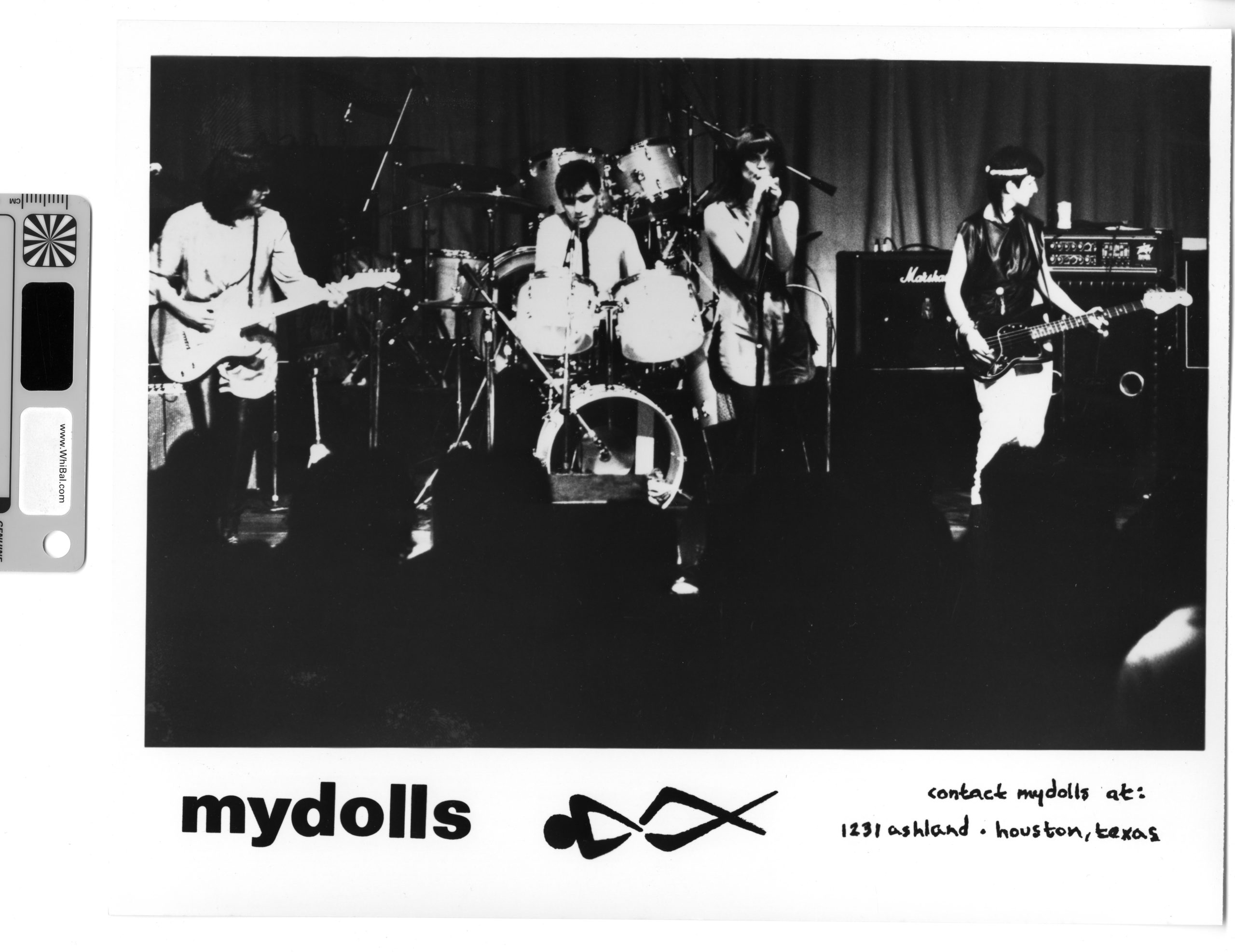
In 2019, Mydolls donated their discography, video performances, photographs, zines and more to the University of Houston Special Collections Department. Many items in the Mydolls Records come straight out of the underground punk rock scene of the 80s. Mydolls’ discography is preserved in vinyl records and various filmed performances are housed in the collection. The collection showcases the fast-paced career of Mydolls memorialized in zines, photographs, and performance ads and can be viewed at the Special Collections Department upon request.
Alexander Rodriguez, undergraduate student from the University of Chicago, takes a look at records from a reality TV show filmed at the University of Houston.
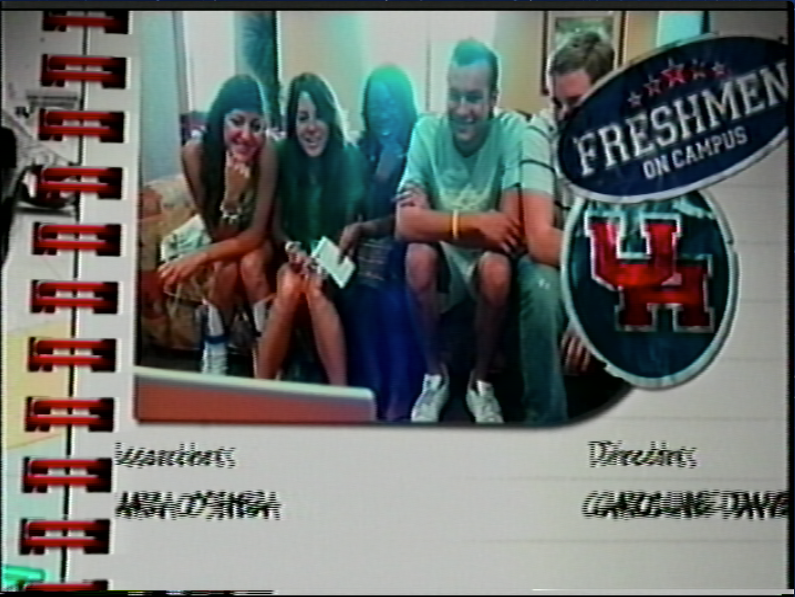
Still from Freshmen On Campus end credits, showing the five students and series iconography (UH Marketing and Communications, University of Houston Special Collections)
During the 2005 spring term, amongst our Cougar ranks walked five TV stars- well, reality TV stars, at least. As part of an acquisition from the University of Houston’s Division of Marketing and Communications, Special Collections has obtained archival materials relating to a reality TV show called Freshmen On Campus. Filmed by Princess Productions in 2005, the program follows five British students as they study at the University of Houston for a few weeks. Aside from the requisite teen drama, the show provides glimpses of American university life for viewers back in Britain, such as a fraternity pledge ceremony. The stars also check out things to do near Houston, visiting Galveston Beach and the Texas Prison Museum, excursions a UH student could reasonably make. Through participation in the show, these five get a taste of the University of Houston and experience college life in America. The university has tapes for Episodes 11 through 15 in the collection.

From a producer’s email, detailing the planning for the show (UH Marketing and Communications, University of Houston Special Collections)
However, equally exciting are the paper records that accompany the series in the archives. Consisting mostly of correspondence between the production company and the UH administration, these records depict all the planning and permissions needed to make the program happen. The documents include a wealth of information related to the logistics of filming a television series, from crew housing to food costs- even including the parking tickets issued to some of the filming crew for overrunning their parking meters. Reading through emails to UH staff, a sales pitch emerges: producers suggest that the show will put the University of Houston into the awareness of British teens and convince those looking to study in America to choose Houston. (Apparently, it also used to be normal for academic professionals to email each other in all lowercase.)
Viewing the finished episodes alongside the artifacts of its production provides a deeper understanding of the show and the medium in general. By seeing the presented product as well as the private effort that came before, archival research allows us to get past the surface and build a picture of what the experience was like for everyone involved. Reality TV is infamous for the ways it hides the real means of its creation, and in the early 2000s, the format was still unironically claiming to document real life. Now, in an era where we think more critically about reality TV shows and their real-world effects on people, it is fascinating to look back in time and get a peek behind the scenes of one such show that took the format away from Beverly Hills to a place more of us are familiar with.
The videotapes of the episodes, as well as the paper documents, are both in the UH Marketing and Communication Records at Special Collections.
Alexander Rodriguez, undergraduate student from the University of Chicago, takes a look at Professor Paul Chu’s presence in university marketing initiatives.
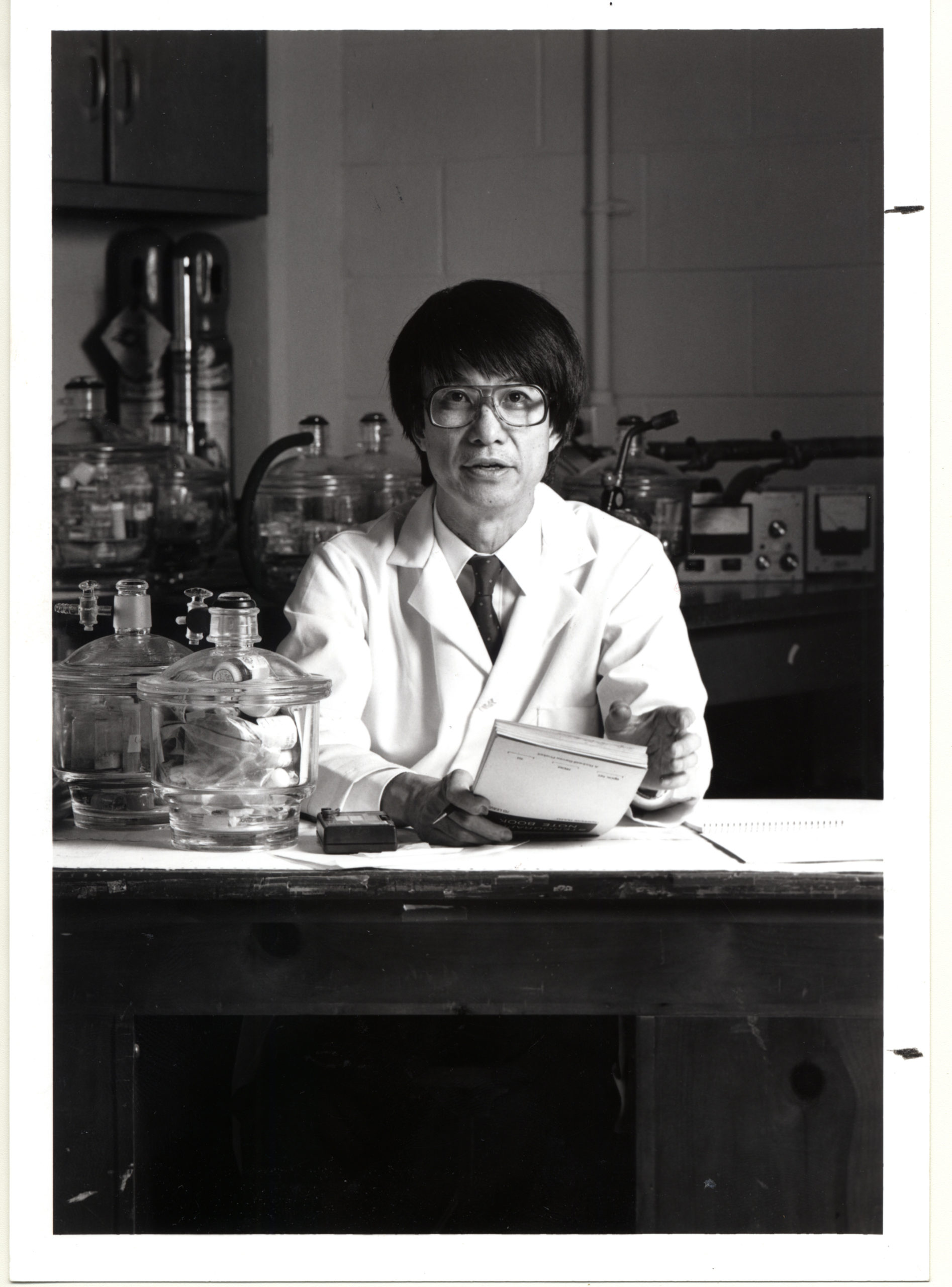
Paul Chu sitting at a lab desk (UH Photographs Collection, University of Houston Special Collections)
University of Houston (UH) Professor Paul Chu is a known name both on- and off-campus. In 1987, Chu and his team made breakthroughs in the field of superconductivity, developing materials that could conduct electricity with zero resistance at temperatures reachable with liquid nitrogen. This discovery kicked off a wave of excitement in the scientific community and put the university’s Department of Physics at the leading edge of this research.
In the late 1990s, UH’s Division of Marketing and Communications commissioned the production of 30-second television commercials for prospective students, starring university faculty with their work. One of these focuses on Chu, with shots of him with lab equipment demonstrating the materials developed in his lab. With floating magnets and nitrogen plumes aplenty, the clip is an effective counterargument to any high schooler who says physics can’t be cool.
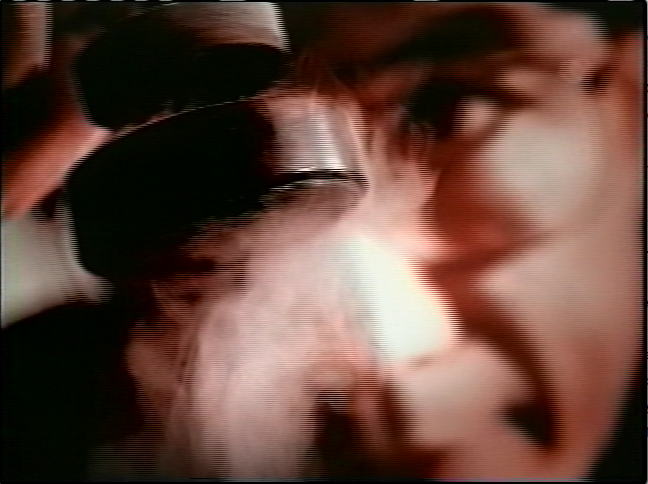
Still from UH commercial featuring Professor Chu (UH Marketing and Communications Records, University of Houston Special Collections)
Elsewhere, Chu and his research team garner mention from voices outside the university. In a compilation of news clips from November 2001, several television and radio stations reported on Dr. Chu’s move to Hong Kong to lead a research department there. True to the era, the reporters excitedly mention that he will continue to lead his UH research department through a technology known as “e-mail.” The similarity of the reporting across different channels indicates the use of a standardized press release, likely crafted by UH Marketing and Communications, to package the facts for news stations to add directly into their report.
These items, part of a Special Collections acquisition of UH Marketing and Communications Records this year, demonstrate the way the university showcases its faculty and their research as an asset for its image. The message for the public is that the work done here is not only research worth continuing but also the knowledge that has an impact on the lives of people outside academia and merits sharing. These outreach efforts establish the University of Houston as an institution on the forefront of science, attracting the next generation of bright minds to enroll and be a part of the spirit of innovation at the university.
Check out the full Marketing and Communications collection in the archival catalog here. More information about Chu and his research can be found elsewhere in Special Collections, including newspaper clippings in the Faculty Vita Records.